
When it comes to preventive maintenance of sewerage networks, choosing the right inspection camera is a strategic decision. An unsuitable camera can limit the scope and accuracy of the diagnosis, or even compromise operator safety. Operators often ask themselves: how do I select equipment based on the diameter of the pipes and the length of the network? With innovations from Multinnov, particularly the Roview2, this decision can become simpler and more effective.
Understanding the different types of pipe inspection cameras
There are several categories of tools for television inspection (ITV) of pipes:
- Push rod cameras: these are camera heads attached to the end of a flexible rod or lightweight cable. They are generally suitable for small diameters (e.g., DN 50 to 150 mm) as they do not require motorization. According to Multinnov, these systems are fast but have limited range.
- Wired motorized dollies: these rolling robots are attached to an electrical or video cable. They can carry adjustable cameras and lighting, but their mobility is limited by the length of the cable and the presence of obstacles. Multinnov highlights the limitations of the cable, which can become tangled, limit range, and make maneuvering difficult.
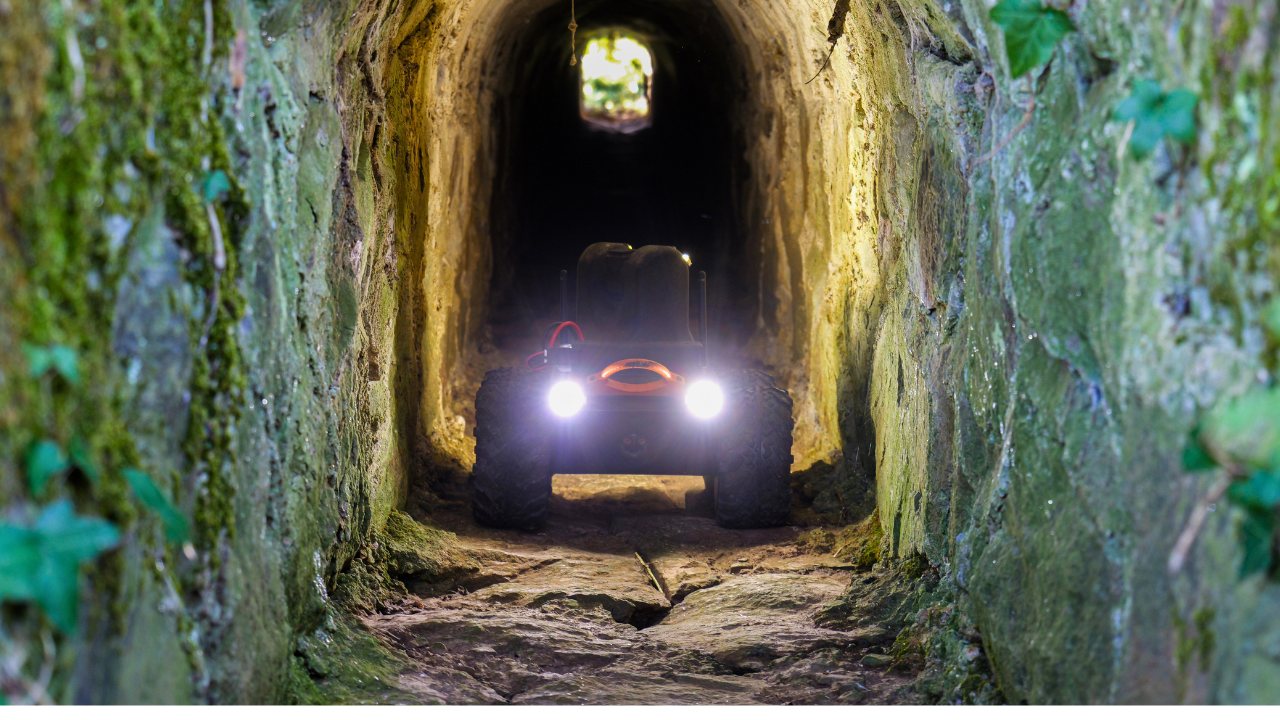
- Wireless ITV robots: like the Roview2 from Multinnov, these robots do not require cables, which eliminates deployment constraints and offers increased maneuverability in difficult networks. They often feature a motorized camera, powerful LED lighting, and significant autonomy.
Choosing your camera based on the diameter of the pipe
The diameter of the pipe is one of the most important criteria when choosing an inspection camera:
- Petits diamètres (< 150 mm) : les systèmes à push-rod sont efficaces, car ils sont légers, peu coûteux et faciles à déployer. Cependant, leur portée reste limitée par la flexibilité de la tige et la transmission du signal.
- Medium diameters (150 to 300 mm): Motorized ITV trolleys are generally used. They can carry a more sophisticated camera, but the cable can become a hindrance in winding or congested networks.
- Large diameters (> 300 mm): wireless ITV robots such as the Roview2 are particularly useful. Thanks to their compact size and ability to overcome obstacles, they are well suited to large or complex networks.
Multinnov explains that the Roview2, weighing approximately 4 kg, was designed to operate in confined and varied environments, with a robust shell, adapted wheels, and even the ability to float in partially flooded ducts.
Adapting your choice to the network – the case of Multinnov's Roview2
Transmission and range
For long networks, cable length can be a limiting factor in wired systems. The Roview2, being completely wireless, eliminates this constraint. Its radio link allows live transmission of 1080p images, while recording in 4K for detailed diagnosis.
In addition, Multinnov offers a range extender that extends the range of the radio signal, which is particularly useful in underground or deeply buried networks.
Autonomy and usage
The Roview2 offers up to 2 hours of battery life on the go, according to Multinnov's brochure. Its battery is also interchangeable, allowing inspections to continue without major interruptions. This level of battery life is a real plus for long drives or demanding missions.
Safety and adaptability to diameter
With its 4K camera mounted on a turret (360° horizontal/180° vertical), the Roview2 provides a complete view of pipe walls, regardless of their shape. Its amphibious structure—thanks to blades on the wheels—allows it to navigate flooded sections, which is often a challenge for wired systems or trolleys.
Onboard telemetry also makes it possible to measure the distance traveled using an encoder on the wheels, which is useful for precisely locating faults depending on the diameter of the network.
Choosing the right pipe inspection camera involves carefully considering the diameter of the pipes, the length of the network, and operational constraints. Traditional solutions (push rods, wire trolleys) are effective in some cases, but their limitations become apparent as complexity or distance increases.
The Roview2 from Multinnov is an innovative, flexible, and tailored solution: its wireless transmission, improved range thanks to the range extender, autonomy, and ability to operate in flooded environments make it a particularly relevant choice for demanding professionals.
By adopting a robot such as the Roview2, sewer network operators can not only improve the quality of diagnostics, but also reduce costs, save time, and limit the risks associated with manual inspections. For effective and modern preventive maintenance, investing in such equipment offers a real return on investment—while enhancing the safety and sustainability of your infrastructure.