
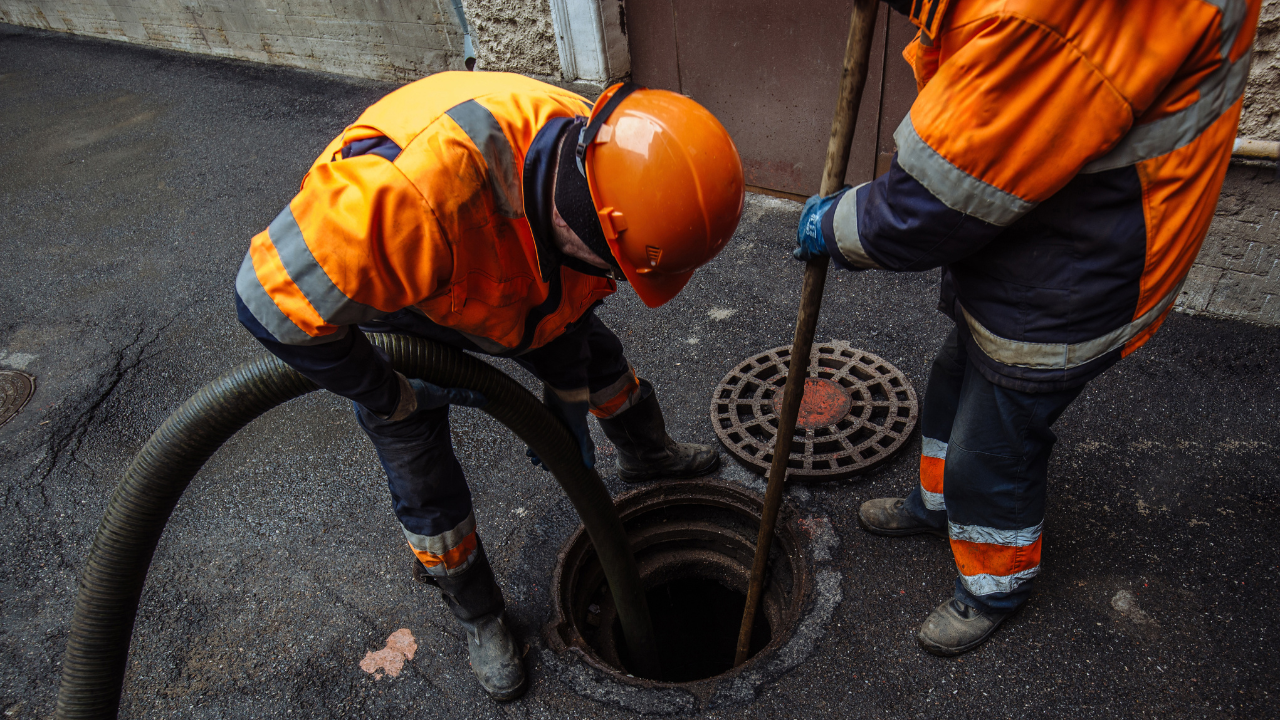
When a wastewater network is rehabilitated - whether for urban pipes, connections or industrial collectors - the critical phase following the work is acceptance and validation of the structure's conformity before it is put back into service. In this context,televisual inspection (TVI ) has become an indispensable tool: using a camera or an inspection robot, it enables us to visualize the internal state of a renovated network, detect any defects and ensure that the work meets performance, tightness and durability criteria. This post-work visual inspection is a key step in ensuring that preventive maintenance begins on a solid footing.
Post-work ITV challenges
Rehabilitating a wastewater network involves significant costs, operating constraints and high expectations in terms of quality. Post-works ITV addresses several critical issues:
- Durability and performance: Check that the work carried out (replacement, lining, bleeding) has been carried out correctly, and that the network has regained the required characteristics (geometry, slope, diameter, flow rate).
- Watertightness and compliance: Ensuring that assemblies, joints, connections and manholes comply with watertightness standards, and that flows meet technical specifications.
- Safety and operation: A poorly finished network can lead to obstructions, seepage or subsidence, resulting in service stoppages. ITV helps reduce this risk.
- Asset traceability: The use of a camera and the drafting of a standardized report ensure traceability of the post-rehabilitation condition, essential for the acceptance of the work by the parties concerned.
Standard NF EN 13508-2 +A1 is a reference framework for the visual assessment of drainage and sewerage systems. It defines a defect coding system and visual inspection analysis criteria. Based on this standard, a post-construction visual inspection can provide a clear verdict on the conformity and quality of the work.
Inspection procedures and criteria
Post-work ITV is carried out according to a rigorous protocol, comprising several phases:
Preparation and access
Prior to inspection, the rehabilitated network is prepared: cleaned, accesses established, manholes checked and obstacles removed. According to best practice, good visibility is essential.
Implementation of ITV equipment
A TV inspection system with a high-definition camera is inserted into the pipe. The device can be a motorized cart or a robot, depending on diameter and access conditions. Multinnov showcases modern solutions such as the inspection robot Roview2 inspection robot, perfectly suited to wastewater pipes, and capable of generating reports in compliance with NF EN 13508-2.
Capture and recording
The equipment films and photographs the inside of the pipes, inspects each section, and documents any defects: cracks, deformations, faulty joints, roots, deposits, collapses. According to the standard, each observation is coded.
Analysis and control criteria
The final report includes structural and functional test criteria:
- Geometry (ovalization, cross-section change)
- Waterproofing (infiltration, seepage)
- Structure (cracks, collapse, corrosion)
- Operation (obstructions, roots, deposits)
The results are compared with acceptance specifications and the standard in force to decide on conformity or repairs to be carried out.
Validation and acceptance of rehabilitated network
The post-construction ITV is used to validate acceptance of the work and to integrate the network into asset management. Some key points:
- Standardized, usable report: The inspection report presents observations coded in accordance with NF EN 13508-2 +A1, with precise location of defects (distance, connections, manholes). This traceability is essential for formal acceptance.
- Acceptance or rework decision: If the report reveals no significant defects, the network is accepted. Otherwise, rework is required before commissioning.
- Asset integration: Images, data and reports are archived and can be integrated into GIS or asset management software to plan future inspections and maintenance.
- Communication with stakeholders: The client, the construction company and the operator receive the inspection report. The report facilitates coordination and clarifies responsibility in the event of subsequent defects.
Post-work ITV is therefore an essential step in ensuring that the work carried out complies with specifications, that the rehabilitated network is ready for operation and that operators have reliable data for future management.
Post-worktelevisual inspection (TVI ) is now a key factor in the reliability of rehabilitated wastewater networks. By visually checking the internal condition of pipes, this method guarantees the conformity, performance and durability of infrastructures. Thanks to a camera or inspection robot, and a report complying with NF EN 13508-2 +A1, professionals can make informed decisions, validate work and secure their technical assets.
Solutions like those offered by Multinnovwith its innovative, compliant equipment, enable sanitation professionals to approach the acceptance and commissioning of renovated networks with peace of mind. In short: inspect correctly, decide quickly and operate sustainably.