In a world where infrastructures - water networks, pipes, industrial buildings, confined spaces - are subject to constant wear and tear,television-based inspection (TVI ) is emerging as a technological revolution. Rather than investing in costly interventions, cold starts or shutdowns, professionals can now rely on modern visual solutions to monitor the actual condition of their equipment. Thanks to high-definition cameras, inspection robots, indoor drones and the integration of specialized software, visual inspection not only enables rapid detection of faults, but also precise maintenance planning, improved operator safety and optimized costs.
Innovation for inspections
TV inspection is much more than just a camera inserted into a pipe. It relies on robust, dedicated solutions designed for confined spaces, industrial environments or underground networks.
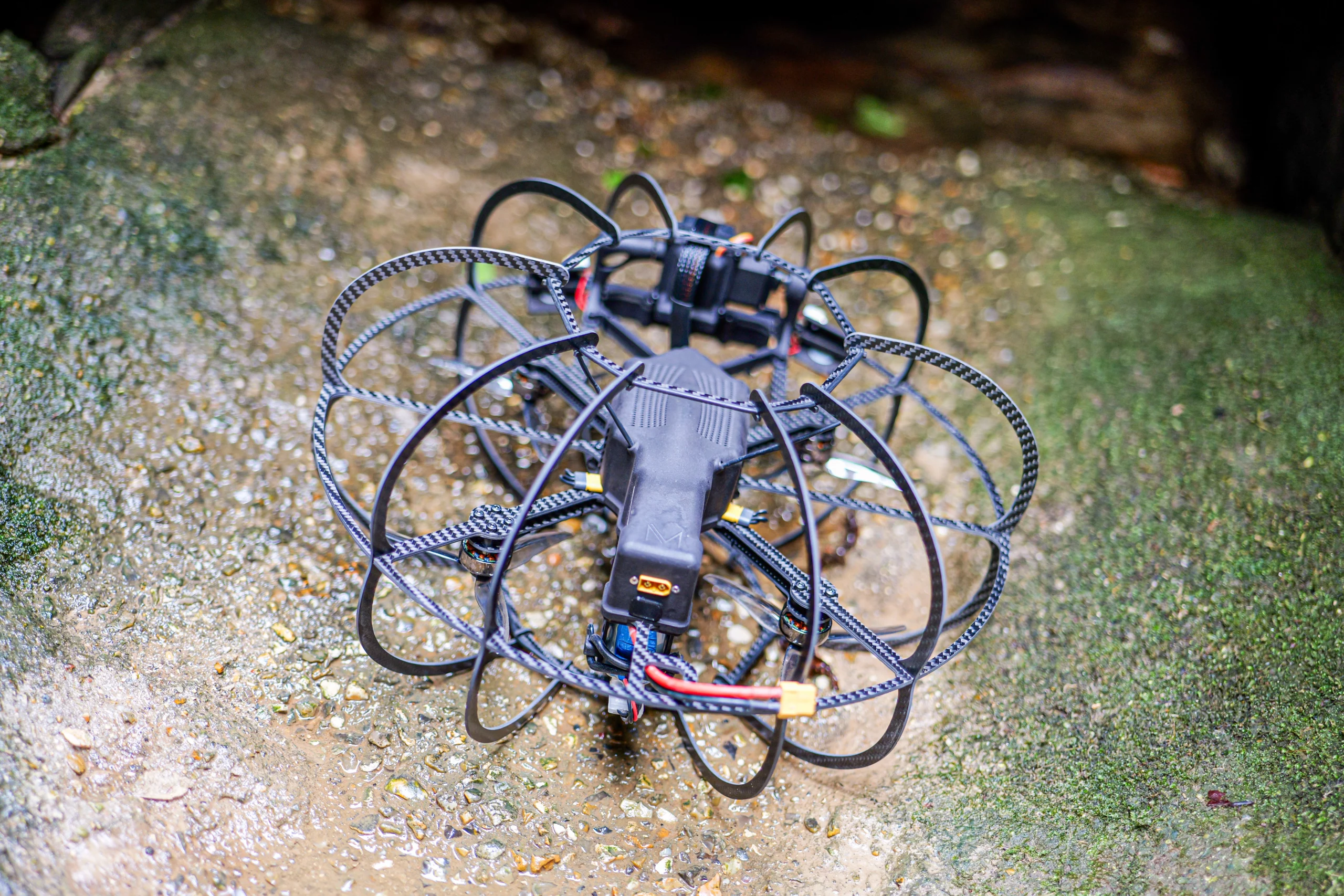
Among the important innovations, the French company Multinnov stands out with two platforms: the inspection robot Roview2 and the indoor drone Stereo2 :
- The Roview2 allows you to scan complex pipes or ducts, viewing them in real time, wirelessly, with lighting and a high-performance camera to spot cracks, deposits or anomalies.
- The Stereo2 is designed for confined aerial spaces (silos, chimneys, industrial facilities): a drone equipped with HD camera, LED lighting, capable of operating without GPS, in tight spaces.
At the same time, innovation in rotating cameras on carts for ITV of sewer networks is also an example of modernization. For example, one article describes how a 360° rotating camera, coupled with distance and diameter sensors, can be used to pinpoint anomalies in pipes.
This combination of adapted hardware, HD vision, integrated sensors and processing software guarantees a new-generation visual inspection, marked byinnovation.
Operational impact and tangible gains
Modernized TV inspection offers a number of major operational and economic benefits.
Enhanced safety: Operators entering confined spaces or under pavements are dangerous (gas, lack of access, lack of visibility). ITV makes it possible to avoid this clear-cut exposure.
Early detection and precision: Thanks to the HD camera, carts or robots and integrated measurements (diameter, ovality, slope, depth), the inspection system enables early detection of defects: cracks, subsidence, infiltration, roots, obstructions.
Cost optimization and sustainability: By identifying the precise problem, we avoid massive or imprecise interventions. The technical report enables the right action to be taken at the right time, avoiding downtime, costly breakage or premature replacement.
Operational efficiency: Inspection is fast, non-destructive and requires no prolonged downtime. It enables better maintenance planning and continuous monitoring of network assets.
Traceability and compliance: within the regulatory framework (standard NF EN 13508-2+A1 for drainage networks), ITV produces detailed reports, with coding of anomalies, metric location, image and geolocation, enabling operators to manage their assets in a structured way.
Professionals in the water, wastewater and industrial sectors see TV inspection as a modern solution for meeting expectations in terms of safety, efficiency, economy and sustainability.
Outlook and best practices for the future
TV Inspection is constantly evolving. Future developments include the use of drones and autonomous connected robots, artificial intelligence for automatic anomaly detection, and the integration of reports into GIS or asset management systems. To stay at the cutting edge, it's important to adopt certain best practices:
- Choosing the right equipment for each context: buried pipe (camera cart), partially filled network (robot), confined aerial volume (drone). Multinnov with Roview2 or Stereo2 illustrates this.
- Site preparation: preliminary cleaning to ensure optimum visibility, identification of access points, contextual study.
- Collect and retrieve usable data: HD video, photos, measurements, location, coded report.
- Integration into the maintenance plan: linking ITV results to intervention planning, budgeting and asset monitoring.
- Technology watch: keep abreast of the latest developments in robots, cameras, AI and practices.
- Compliance with standards and traceability: use competent service providers, produce compliant reports (NF EN 13508-2+A1) and guarantee traceability of inspections.
These practices not only modernize inspection, but also position the maintenance department as an integral part of an infrastructure's asset management strategy.
TV inspection is more than just a tool: it's a strategic revolution in infrastructure management. By adopting modern solutions - HD cameras, robots, drones, sensors and integrated software - professionals can quickly detect anomalies, optimize maintenance, secure interventions and control costs. With players like Multinnov (Roview2, Stereo2), innovation in visual inspection shows that technology, safety, efficiency and savings can go hand in hand. For managers of water, wastewater or industrial networks, modernizing your inspections is no longer an option, but a value-added necessity.