Faced with aging networks, increasingly complex industrial infrastructure, and heightened safety requirements, visual inspection has become an essential tool. In this context, TV inspection drones are gradually establishing themselves as the go-to technological solution for exploring hard-to-reach environments without exposing operators to unnecessary risks.
But what exactly does this concept of a television inspection drone entail, and how does it differ from more traditional inspection methods?
Definition and operation of the television inspection drone
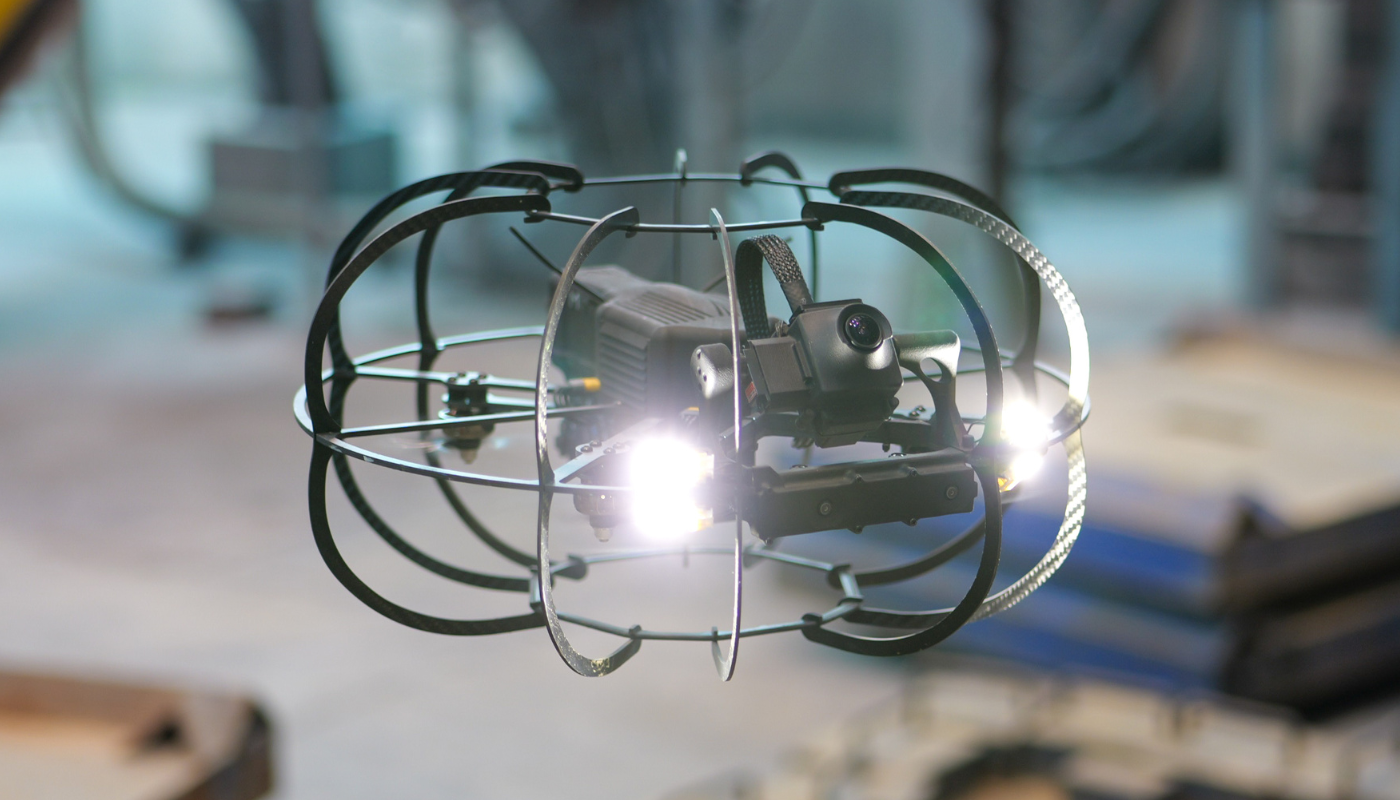
A television inspection drone, often referred to as an ITV inspection robot, is a remote-controlled device designed to perform remote visual inspections. Unlike consumer aerial drones, this equipment is specifically designed to operate in confined or restricted environments, such as pipes, technical networks, industrial structures, or certain enclosed spaces.
Equipped with a high-definition inspection camera, sometimes combined with on-board lighting systems, the drone transmits accurate images to the operator in real time. The operator controls the device from a secure control station, while analyzing the condition of the walls, joints, welds, or structures being inspected.
Solutions such as Stereo 2fromillustrate illustrate this new generation of visual inspection technologies, where mobility, stability, and the quality of the data collected are at the heart of the design. The goal is not only to see, but to quickly understand the condition of a network or structure in order to facilitate decision-making.
Areas of application and advantages of this technology
The television inspection drone is now finding its place in many industrial sectors. It is commonly used inindustry, sanitation, water network management, energy, and technical infrastructure maintenance.
Its main advantage lies in safety. By enabling remote inspections, it greatly limits human exposure to potentially dangerous environments: confined spaces, presence of gas, risk of falling or collapse. The operator remains outside the risk zone, while maintaining a detailed view of the structure being inspected.
Technology also brings significant efficiency gains. Inspections are quicker to carry out, require less preparation, and reduce business interruptions. In many cases, this translates into direct savings, linked to reduced downtime and fewer human resources required.
Finally, the quality of the images collected improves the reliability of diagnoses. Visual inspection becomes more accurate, more reproducible, and easier to document, particularly for the purposes of monitoring over time or regulatory compliance.
The importance of television inspection in network maintenance
Television inspection plays a central role in modern maintenance strategies. It is no longer limited to a simple one-off visual inspection, but is part of a comprehensive approach to preventive maintenance and optimization of interventions.
Thanks to inspection drones and robots, network managers can anticipate damage, identify sensitive areas, and prioritize work before critical failures occur. This approach reduces the need for emergency interventions, which are often more costly and risky.
In industrial or sanitation networks, ITV also helps meet traceability and compliance requirements. The visual data collected is used to support inspection reports, facilitating communication between operators, service providers, and regulatory authorities.
Actors such as Multinnov are actively participating in this evolution by offering innovative solutions designed to adapt to the realities on the ground. The challenge is no longer just to inspect, but to provide reliable, robust tools that are adapted to the operational constraints of professionals.
The TV inspection drone is now establishing itself as a strategic ally for professionals working in complex and demanding environments. By combining innovation, safety, and performance, it is transforming the way visual inspections are carried out in industry and networks.
Beyond the technological aspect, these solutions put people back at the heart of added value: with less exposure to risk, operators can focus on analyzing and interpreting data and making decisions. In a context where infrastructure reliability is more important than ever, TV inspection drones are no longer seen as an option, but as a logical evolution of modern maintenance practices.