
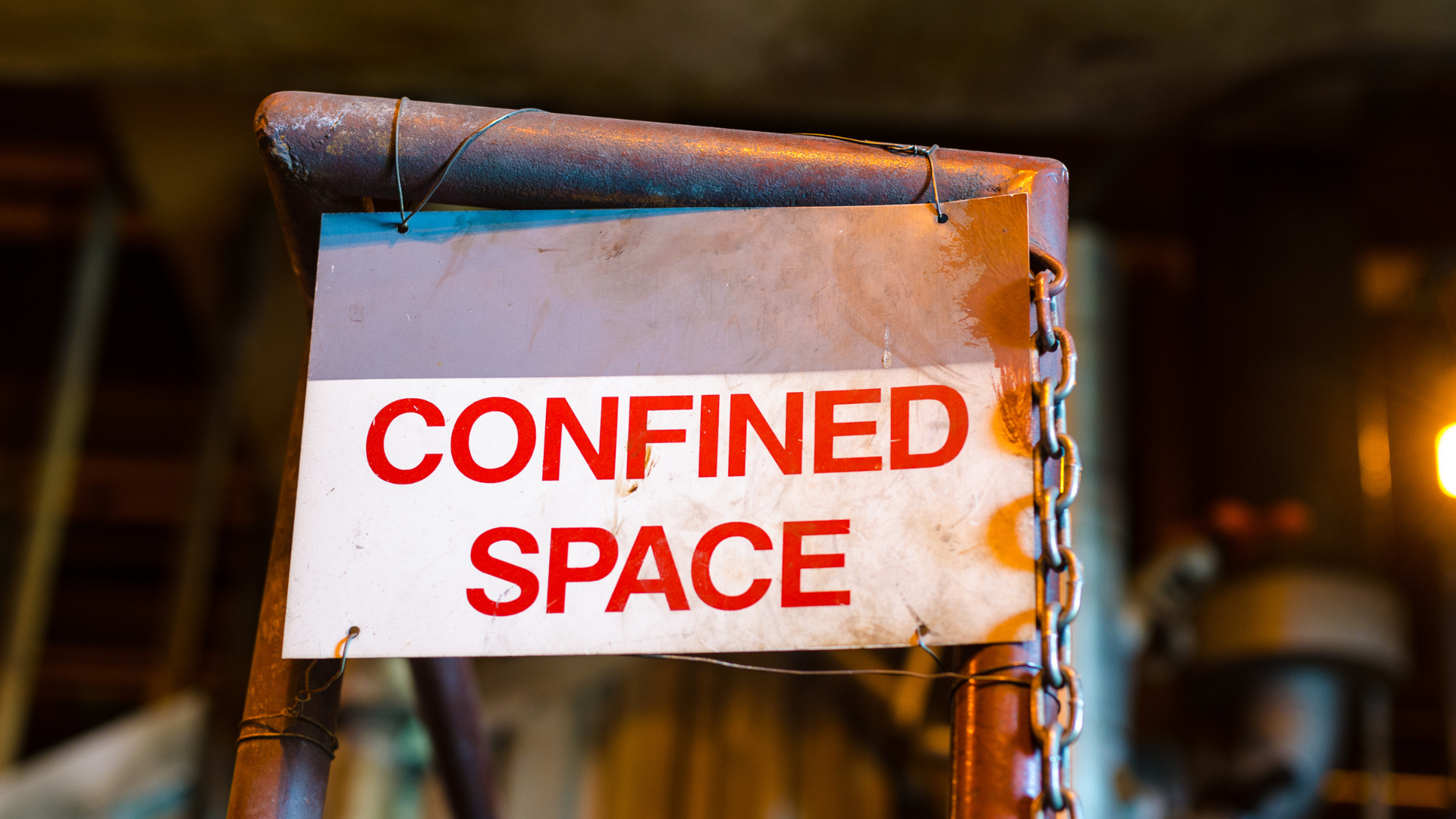
In the industrial, urban or infrastructure sectors, many essential structures and components are located in confined spaces: tanks, ducts, galleries, reservoirs, technical shafts, ventilation ducts, pipes, etc. These environments present severe constraints: limited access, dangerous conditions, reduced visibility and risks for operators. These environments present severe constraints: limited access, hazardous conditions, reduced visibility and risks for operators. Yet monitoring, maintenance and preventive detection of anomalies are vital to prevent breakdowns, leaks, collapses or pollution.
Thanks to innovative solutions - including inspection drones, ITV (television inspection) robots, embedded vision systems and intelligent algorithms - it is becoming possible to explore these complex areas safely, quickly and efficiently. This article reviews the challenges, technologies and best practices involved in taking full advantage of these tools in confined environments.
The challenges of confined-space inspection
Access constraints and human risks
Confined spaces are often inaccessible to humans without heavy equipment or infrastructure dismantling. Associated risks include :
- Lack of oxygen or toxic atmospheres (gases, vapors)
- Fall, crush or injury in narrow areas
- Unfavorable lighting conditions or total invisibility
- Wet, muddy or residue-filled environments
- Presence of dust, suspended particles or corrosion that interfere with vision
These conditions impose strict safety protocols: pre-ventilation, air quality monitoring, protective equipment, rescue team, etc. These preparations slow down the inspection and increase costs. These preparations slow down the inspection and increase costs.
Limits of traditional methods
Classic approaches used to date include :
- Manual infiltration of operators with hand-held cameras - costly, risky, slow
- The use of wired cameras or ITV carts, which often require prior arrangements (cleaning, clearance)
- Shutdown or partial shutdown of facilities for inspection purposes
These techniques have a number of drawbacks, including plant downtime, health risks, partial area coverage, long lead times, visual inaccuracies and logistical constraints.
Human or semi-automated inspections can lack the agility to quickly cover a large number of elements under constraining conditions. They expose operators to unnecessary hazards.
Innovative solutions and technologies
To overcome these limitations, modern technologies combine robotics, control, imaging and on-board intelligence. Here are the main innovative solutions:
Drones for inspection in confined spaces
Drones specially designed for confined spaces can fly over, penetrate or explore internal structures without the need for direct human intervention. Some key features:
- Stability and precise control in enclosed environments
- High-definition cameras (4K, Full HD) with fixed focus to prevent dust or particles from affecting sharpness - such is the case with Multinnov'sStereo2, equipped with a 4K camera and adjustable LED lighting to improve visibility in dark areas.
- On-board lighting (multiple LED panels) to project grazing beams and reveal surface defects. The Stereo2 features four adjustable LED panels.
- Real-time video transmission and telemetry feedback to external driver
- Moderate flight time: Stereo2 achieves a range of around 12 minutes
These drones are effective in vats, containers, tanks, industrial halls or vertical structures where a cart cannot move.
ITV robots and ground robots
For inspections in pipes, ducts or partially filled tunnels, ground or wire-guided robots are a proven solution:
- Roview2 from Multinnov: a wireless inspection robot designed for confined environments, with motorized 4K camera, powerful LED lighting, ability to operate in submerged or wet areas, enhanced stability and cable-free transmission.
- Ground robots with tracks or wheels (SubAirTech): they can operate in confined environments inaccessible to man, equipped with high-definition cameras, powerful LEDs and instant video feedback.
- Modular robots (e.g. VersaTrax) that adapt to curves, branches or obstacles, reducing human intervention in hazardous areas.
These robots offer more complete coverage of networks, and combined with TV inspection (ITV), they enable precise analysis of infrastructures.
Anomaly detection algorithms and embedded AI
Visual inspection is no longer just about collecting images. Embedded artificial intelligence is increasingly used to :
- Automatic detection of cracks, corrosion and surface defects
- Photogrammetry: 3D reconstruction of internal geometry
- Real-time mapping of inspected areas
- Early warning based on severity criteria
Some research shows how robots can explore confined spaces autonomously while avoiding collisions [e.g. RMF-Owl for underground exploration]. Other work combines imaging and probabilistic mapping to detect foreign objects in marine reservoirs.
Best practices and regulations
Even with advanced technologies, inspection in confined environments requires a rigorous plan: safety protocols, interruption of operations in the event of unforeseen circumstances, data recording, equipment maintenance. Compliance with local standards and best practices is essential for safe operations.
Applications and best practices
Real-life use cases
- Storage tanks, reservoirs: internal visual inspection without emptying, detection of cracks or corrosion
- Containers, industrial halls: in-depth structural inspection, control of frames, beams, etc.
- Pipes and shafts: ITV robots inspect partially filled pipes
- Ventilation, HVAC ducts: check condition of ducts, presence of deposits or obstructions
- Underground infrastructure: tunnels, galleries, access shafts, technical passages
For example, indoor drones can inspect vertical tanks that forklift trucks can't reach. The Stereo2 is cited for interior inspections of buildings, containers or turbines.
Good operating practices
- Rigorous pre-inspection mission planning
- Calibrate and test sensors before entering confined areas
- Compliance with safety protocols (ventilation, atmospheric monitoring)
- Post-mission debriefing and data recording (photos, videos, metrics)
- Regular robot / drone maintenance, software updates
ROI and efficiency
The benefits of adopting these technologies are manifold:
- Safety: drastic reduction in human intervention in hazardous areas
- Time savings: inspections that used to take hours/days can now be carried out in minutes
- Precision: fine detection of anomalies
- Reduced costs: fewer cumbersome logistics, fewer production stoppages
- Maintenance efficiency: proactive planning and targeted interventions
According to a study by Nexxis, robotic inspection in confined spaces brings safety, savings, extended coverage, reliability and increased confidence.
Inspection in confined environments has long been a headache for operators, but robotic innovations, indoor drones and embedded vision algorithms are transforming this field. Solutions such as the Stereo2 and Roview2 from Multinnov illustrate this revolution: 4K cameras, LED lighting, stabilization, robust architectures and real-time transmission are all designed to make visual inspection in complex areas safer, faster and more cost-effective.
By combining technological mastery, robotics expertise and operational best practice, industry professionals can now take on inspection tasks in previously inaccessible areas. In the age of predictive maintenance, intelligent inspection of confined spaces is becoming a pillar of industrial performance.